French Impressionism [嚙糊嚙踝蕭L嚙瘡嚙踝蕭]
嚙瑾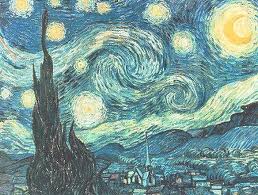
An impressionistic painting, Starry Night (1889), by Van Gogh
-
Claude Debussy (1862-1918) and Maurice Ravel (1875-1937) were the two representatives of French impressionism.
-
Impressionistic composers strive to suggest a mood or quality instead of a very clear and well-delineated [嚙質劃] idea.
-
Their music focuses on developing musical images (as if you are seeing a picture while you are listening to the music) through motives, harmony, exotic scales (e.g. whole-tone [嚙踝蕭嚙踝蕭嚙踝蕭], octatonic [嚙皺嚙踝蕭嚙踝蕭], and pentatonic [嚙踝蕭嚙踝蕭嚙踝蕭] scales), instrumental timbre (the sound quality of instruments).
嚙瑾
Atonal [嚙盤嚙調性哨蕭嚙踝蕭]/Post-tonal Music [嚙踝蕭晥坉嚙踝蕭嚙稽: Serialism [嚙褒列嚙踝蕭嚙誰主嚙緬]
嚙瑾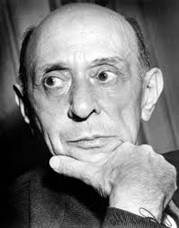
The maestro of serialism, Arnold Scheonberg
-
The representative of serialism is Arnold Schoenberg (1874-1951) who was notorious [嚙碼嚙瘤嚙磕嚙踝蕭] in writing atonal music (music avoiding the establishment of any note as a tonal center).
-
Schoenberg was so compelled [嚙瞑嚙趣必嚙踝蕭] to abandon [嚙踝蕭嚙稽 tonality in part because it could make music more liberated [嚙諸莎蕭] or in his words, 'emancipation' [嚙諸抬蕭].
-
Furthermore, he created pitch-class sets which contained three or more pitches and these pitch-class sets could be transposed [嚙豌踝蕭], inverted [嚙誼置], and arranged in any order and register to generate melodies and harmonies. It is Schoenberg嚙踝蕭s equivalence to the Romantic motives.
嚙瑾
Neo-classicism in Russia [嚙碼羅嚙踝蕭嚙編嚙篌嚙賢派]
嚙瑾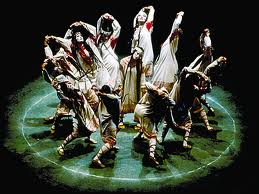
A ballet based on 'Rite of Spring' by Stravinsky
-
Neo-classicism 嚙碾 the use of classical genres and forms, tonal centers, and common-practice harmonies, allied with emotional restraint [嚙皚嚙踝蕭] and a rejection [嚙踝蕭嚙稽 of Romantic excess 嚙碾 became the prevailing [嚙踝蕭嚙賣的] trend in France after the First World War, one associated with patriotism [嚙磋嚙踝蕭D嚙緬].
-
This ideology of composition gradually spread to Russia and influenced Igor Stravinsky (1882-1971).
-
Stravinsky was a nationalist [嚙踝蕭嚙誹主嚙緬嚙踝蕭] and his music was distinctive with his use of unpredictable [嚙踝蕭嚙瞇嚙踝蕭嚙緩嚙踝蕭] accents and rests or through rapid changes of meter, together with colorful use of instruments.
嚙瑾
Fun Facts
-
John Cage (1912-1992) was a leading composer and philosopher [嚙踝蕭嚙褒家] in the post-modern period. In one of his music, he was influenced by the idea of chance [嚙箠嚙踝蕭嚙稽 expounded [嚙踝蕭嚙踝蕭] in the ancient Chinese book of prophecy I-Ching (Book of Changes). He tossed coins six times to determine the answer from a list of sixty-four possibilities.
嚙瑾
Food
for Thought
-
Most music in the twentieth century or post-twentieth century is not pleasant to common ears. Why do you think composers still strive to write huge amount of 嚙踝蕭unpleasant嚙踝蕭 music?
-
Among the three musical schools we introduced earlier: impressionism, serialism, and neo-classicism, which of them you like best and why?
嚙瑾
Music
Examples
Debussy: Suite bergamasque - 3. Clair de lune (1890-1905)
http://www.youtube.com/watch?v=TJCLiam3Am4
Arnold Schoenberg, Transfigured Night Op. 4 (1899)
http://www.youtube.com/watch?v=ohaKpIYg3ow
Igor Stravinsky - The Rite of Spring
http://www.youtube.com/watch?v=aGFRwKQqbk4
John Cage "4'33" (really funny piece in which the orchestra plays nothing in 4'33")
http://www.youtube.com/watch?v=hUJagb7hL0E
Read more
 嚙瑾
嚙瑾